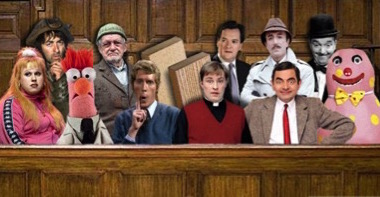
When summoned for jury duty, few jurors worry about what to wear. Typically they focus on excuses to be removed from the pool, or figuring out childcare and work commitments. Little do they realize a defense or plaintiff lawyer might strike them simply based on how he or she is dressed. Here are some ways that a person’s attire or grooming might clue you in to their eventual verdict:
- Hair: Loose strands may signal similarly loose interpretations of the law, as “open and receptive” jurors have been shown to have carefree hair styling. Studies have shown highly styled and meticulous coifs correlated with a more guarded personality, and therefore more likely to side with the defense. As for facial hair, the more restrained and cautious types will have sculpted beards and mustaches, demonstrating their attention to detail.
- Shoes: If you want a juror who is willing to calculate high pain and suffering awards, it helps to check if their feet are going through any agony. Plaintiff-oriented jurors with a nurturing side will more likely wear comfortable, low shoes. According to a study by the Journal of Research in Personality, jurors who wear sky-high heels with pointy toes tend to be less compassionate.
- Clothing: Steer clear of the tailored and formal types if you want sympathy or high damages. Wearing a suit can show a juror is being “socially distant,” as well as “uptight” with their restrictive clothing. The Association for Psychological Science finds a true way to show someone can connect with their peers is if they dress as one would see them on the street.
-
Accessories: Just as Mary Poppins has all necessary (and unnecessary) items in her bag, a compassionate female juror is likely to also carry an oversized purse. Defense jurors are more likely to be minimal, without any bright colors or flashy designs. This resembles their typical courtroom posture, such as “keeping to themselves” and displaying signs of tension.
Although it is not an exact science, people can reveal their personalities through their appearances. For a defense lawyer looking to minimize damages, seeking out a more conservatively dressed juror with similarly minimal accessories can prove beneficial. Details such as muted colors, pulled-back hair or stilettos could mean a significant difference in damages just from selecting a more reserved-appearing juror.
In contrast, a plaintiff’s attorney can easily spot a sympathetic juror by an accessory as simple as a butterfly brooch or outlandish socks. Psychologists have found those who like to “stand out in the crowd” are less likely to be conservative in nature, and therefore more likely to produce extravagant damages.
For assistance with pinpointing other traits that could correlate with verdict during jury selection, please contact Senior Vice President Claire Luna at cluna@juryimpact.net or 714.754.1010.
If this newsletter was forwarded to you and you would like to be added to our distribution list, please email Claire at the address above.